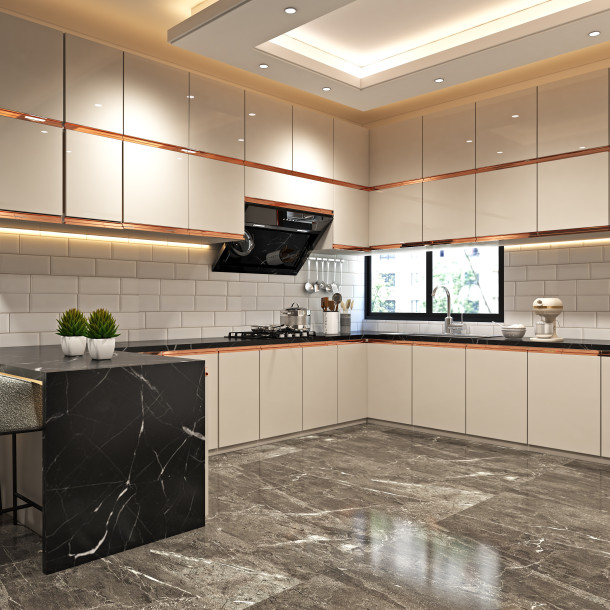

There’s a special kind of denial that happens in kitchens. The cabinet hinge that’s been “about to fall off” for three years. The outlet that only works if you jiggle the plug just right. The countertop laminate that’s been peeling at the corner since roughly the Obama administration. We get attached to our kitchens the way we get attached to old cars — convinced that one more season is fine, right up until the day it very much isn’t.
If you’re reading this while standing in a kitchen with avocado-green cabinets or a dishwasher that requires a small prayer before each use, this one’s for you. Here are seven honest signs that it’s time to stop patching and start planning — before a small inconvenience turns into an expensive emergency.
If your refrigerator predates the iPhone, it’s not just an aesthetic issue — it’s a budget issue. Aging appliances run less efficiently, which quietly raises your utility bills every single month, and the cost of a sudden failure (plus emergency replacement) is almost always higher than planning a proper upgrade on your terms.
Maybe you avoid opening the dishwasher and the fridge at the same time because there’s no room. Maybe the only counter space you have is also where the mail pile lives. When a layout actively fights against how you cook and move, that’s not a “you” problem — it’s a design problem, and one well worth solving.
Soft spots near the sink, warped cabinet bottoms, or a musty smell that won’t quit are signs of moisture problems that only get worse with time. In New Jersey’s humid summers, this isn’t a “wait and see” situation — it’s a now situation, before it spreads into subfloor or framing.
Older NJ homes, especially those built before modern kitchens demanded a dozen small appliances running at once, often weren’t wired for today’s load. If you’re tripping breakers running the microwave and the coffee maker together, that’s not bad luck — that’s outdated electrical capacity, and it’s a safety issue worth addressing during a remodel.
We’ll take a look, give you an honest assessment, and tell you exactly what’s worth fixing vs. replacing.
If you’re planning to list your NJ home in the next year or two, your kitchen is one of the first things buyers judge, fairly or not. But this is also exactly where it’s easy to overspend on the wrong updates. Before you remodel purely for resale, read our guide on NJ renovations that actually lose money at resale so you invest in the upgrades buyers care about — and skip the ones they don’t. It’s also worth knowing exactly what NJ buyers inspect before closing, since several common issues trace right back to the kitchen.
Growing family, more frequent hosting, a second cook in the kitchen now that someone’s working from home — sometimes the issue isn’t condition, it’s capacity. If that’s you, it’s worth weighing a kitchen-focused remodel against a full home addition. Our comparison of NJ home additions vs. moving lays out the real cost tradeoffs for growing families.
Sometimes there’s no leak, no broken appliance, no safety issue — the kitchen just feels stuck in a different decade than the rest of your life. That’s a completely valid reason to remodel. Your kitchen is the room you’ll spend the most waking hours in outside your bedroom; it’s allowed to actually make you happy.
Once you’ve decided it’s time, the next question is usually “how much, and how long?” Our Kitchen Remodel Cost NJ (2026) guide breaks down real statewide pricing by scope, and our Kitchen Remodel & Renovation services page walks through exactly what our process looks like from first consultation to final walkthrough.
And if you’re comparing multiple contractor quotes as part of this decision, don’t skip our breakdown of what your NJ contractor’s estimate might be missing — it could save you from a very unpleasant surprise mid-project.
It’s time. Let’s talk about what a remodel could look like for your home, your budget, and your timeline.
If your issues are isolated (one broken appliance, one cracked tile), repairs may be enough. If you’re dealing with multiple issues — outdated electrical, layout problems, and worn finishes — a remodel is usually more cost-effective long term than repeated patch jobs.
Most full kitchen remodels in New Jersey take 6 to 12 weeks from demo to final walkthrough, depending on scope, permit timelines, and material lead times.
If you’re selling, addressing major issues (electrical, water damage) before listing is almost always smarter than letting an inspector find them first.
Kitchens rarely fail all at once — they wear down quietly, one sticky drawer and one flickering light at a time, until one day you realize you’ve been working around your own kitchen for years. If two or more of these signs sound familiar, it’s worth getting a professional opinion before a small annoyance becomes a bigger, more expensive problem. PS Elite Construction is ready to help — reach out for a free, no-obligation consultation.