Somewhere around 2015, every renovation show in America collectively decided that walls were the enemy. Swing a sledgehammer, reveal a beam, cue the dramatic music — open concept became the default answer to literally every kitchen question, regardless of whether the house, the budget, or the family actually needed it. Eleven years later, plenty of New Jersey homeowners are still knocking down walls on autopilot without asking the one question that actually matters: does open concept fit how I live, or does it just look good on Instagram?
So before you start swinging anything, let’s talk through the real tradeoffs between an open-concept kitchen and a classic closed or galley layout — cost, resale value, noise, mess, and everything in between.
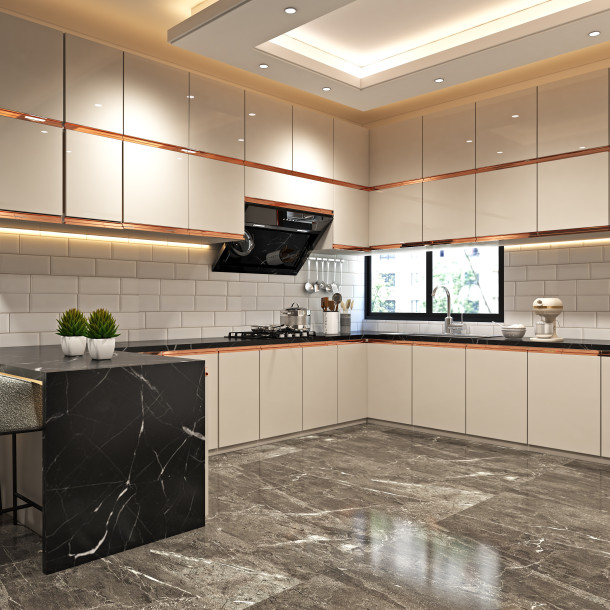
There’s a reason this trend stuck around: open layouts genuinely work well for a lot of modern households. If you entertain often, have young kids you want to keep an eye on while cooking, or simply want more natural light flowing through your first floor, removing a wall between the kitchen and living or dining space can transform how a home feels day to day.
The catch is cost and complexity. Many NJ homes — especially older colonials and capes common throughout Bergen, Essex, and Union Counties — have load-bearing walls separating the kitchen from adjacent rooms. Removing one isn’t a weekend DIY project; it requires structural engineering, a beam installation, permits, and inspections. We’ve laid out exactly what that process and price tag look like in our dedicated guide: How Much Does an Open-Concept Load-Bearing Wall Renovation Cost in NJ? — it’s required reading before you commit to this route.
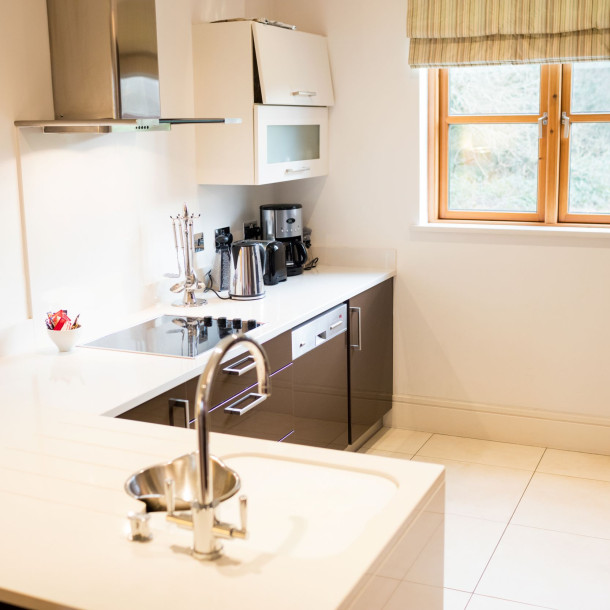
Closed kitchens are having a quiet comeback, and it’s not just nostalgia — it’s practicality. A separate kitchen contains cooking smells, hides dirty dishes from guests, and gives you a dedicated workspace that doesn’t have to double as your living room’s visual centerpiece. If you cook often, a galley or closed layout also tends to be more efficient: shorter distances between the stove, sink, and counter mean less walking and more cooking.
There’s also a budget argument here. A closed-layout remodel that keeps your existing footprint can redirect tens of thousands of dollars away from structural work and into the things you’ll actually touch every day — better cabinetry, a nicer range, upgraded counters, and improved lighting.
We’ll walk your space, check your walls, and give you honest pros, cons, and pricing for both directions — no pressure either way.
This is where things get nuanced. Open-concept layouts are generally appealing to today’s buyers in most NJ markets, particularly in single-family suburban towns across Morris, Middlesex, and Monmouth Counties. But “generally appealing” doesn’t mean “always worth the investment” — a poorly executed wall removal, or one that creates an awkward sightline into a cluttered space, can actually hurt how a home shows. We cover several renovation choices that quietly backfire at resale in our article NJ Renovations That Lose Money at Resale, and it’s worth a read before you commit to major structural changes purely for resale purposes.
On the flip side, a well-kept, classic galley or closed kitchen isn’t automatically a liability either — buyers inspecting a home care far more about whether everything works and looks updated than they do about whether a specific wall exists. Our guide on what NJ buyers actually inspect before closing breaks down what really moves the needle during a sale.
You don’t have to choose between a full wall removal and total enclosure. Pass-through openings, half-walls with a counter ledge, or widened doorways can deliver a lot of the visual and social benefits of open concept without the full structural cost or the total loss of a contained kitchen. This is often the smartest move for older homes throughout Essex and Union Counties where a full open layout isn’t structurally practical without a significant beam investment.
For a full pricing picture across both directions, our Kitchen Remodel Cost NJ (2026) guide breaks down typical costs for layout changes, cabinetry, and finishes statewide.
PS Elite Construction handles everything from full structural open-concept conversions to detailed galley kitchen remodels across New Jersey.
Almost always, yes, if a load-bearing wall is involved — engineering, beam installation, and permits add real cost. A non-load-bearing wall removal is significantly cheaper.
It often helps in suburban single-family markets, but execution matters more than the concept itself. A poorly planned opening can underwhelm buyers just as easily as a dated closed kitchen.
Yes — a structural assessment early in the planning process avoids costly surprises later. We include this as part of our initial consultation.
There’s no universally “right” kitchen layout — only the right layout for your home, your habits, and your budget. Whether you’re leaning toward a dramatic open-concept transformation or a beautifully reimagined closed galley kitchen, the key is making the decision with real numbers and real structural facts, not just inspiration photos. Talk to PS Elite Construction about your space, and we’ll help you figure out which direction actually makes sense.